

12 events found.
-
-
-

Tala Chodpa
Chumey Bumthang, Bhutan -
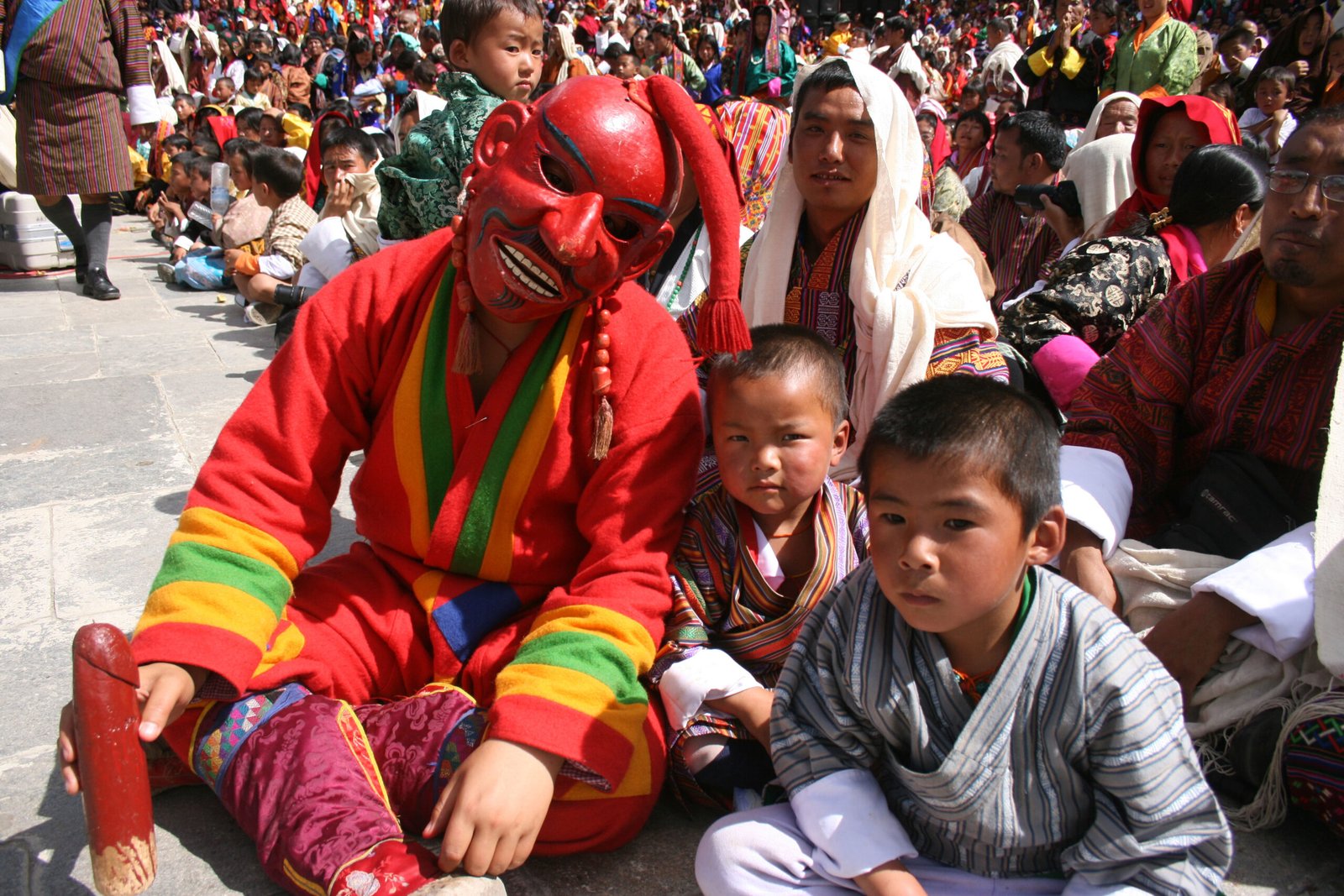
NyinzergangDromchoe
Nyinzergang Wangduephodrang, Bhutan -
-
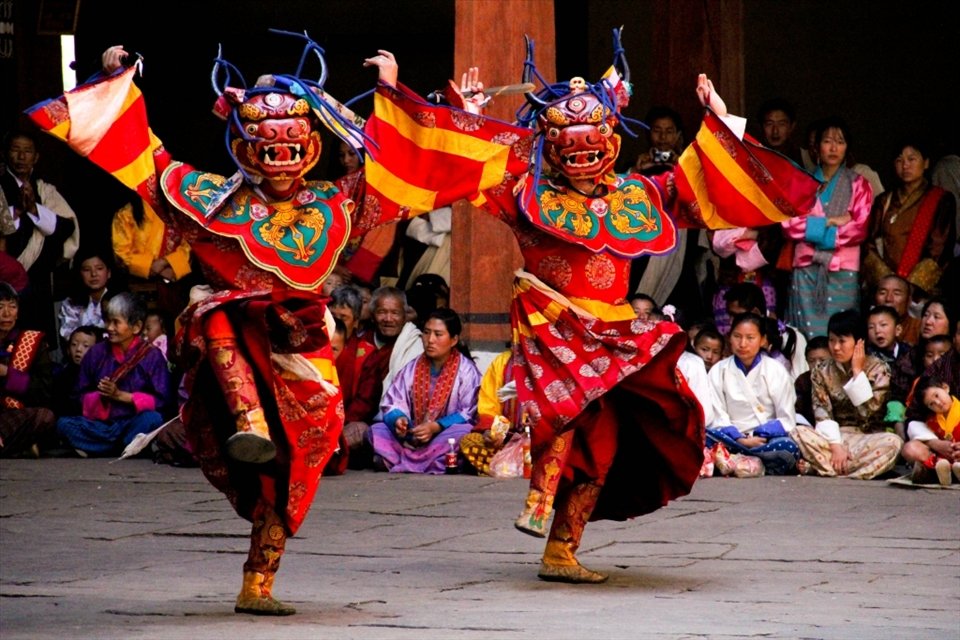
Yonphula Tshechu
Ugyen Dongag Chokhorling Lhakhang, Ypnphula Trashigang, Bhutan -
-
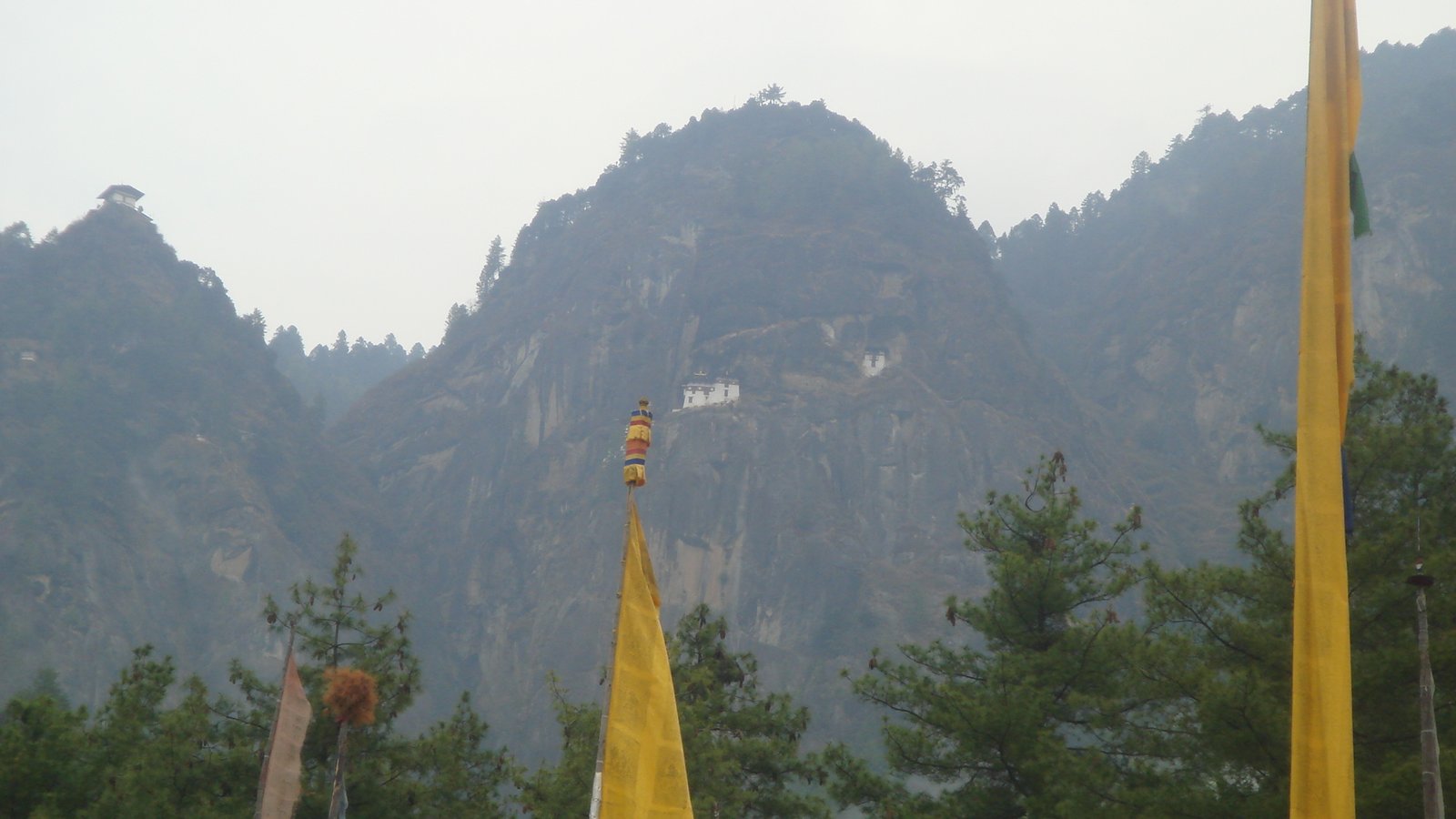
Dolay Drupchen
Taktshang Pelphu Paro, Bhutan -
-
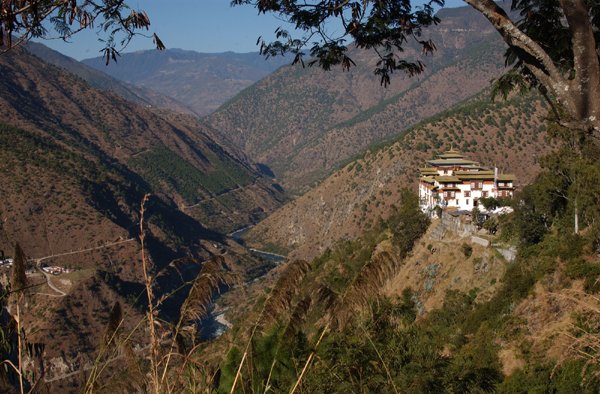
Bartsham TreldaTshechu
Chador Lhakhang, Bartsham Trashigang, Bhutan -
-
Haa Summer Festival
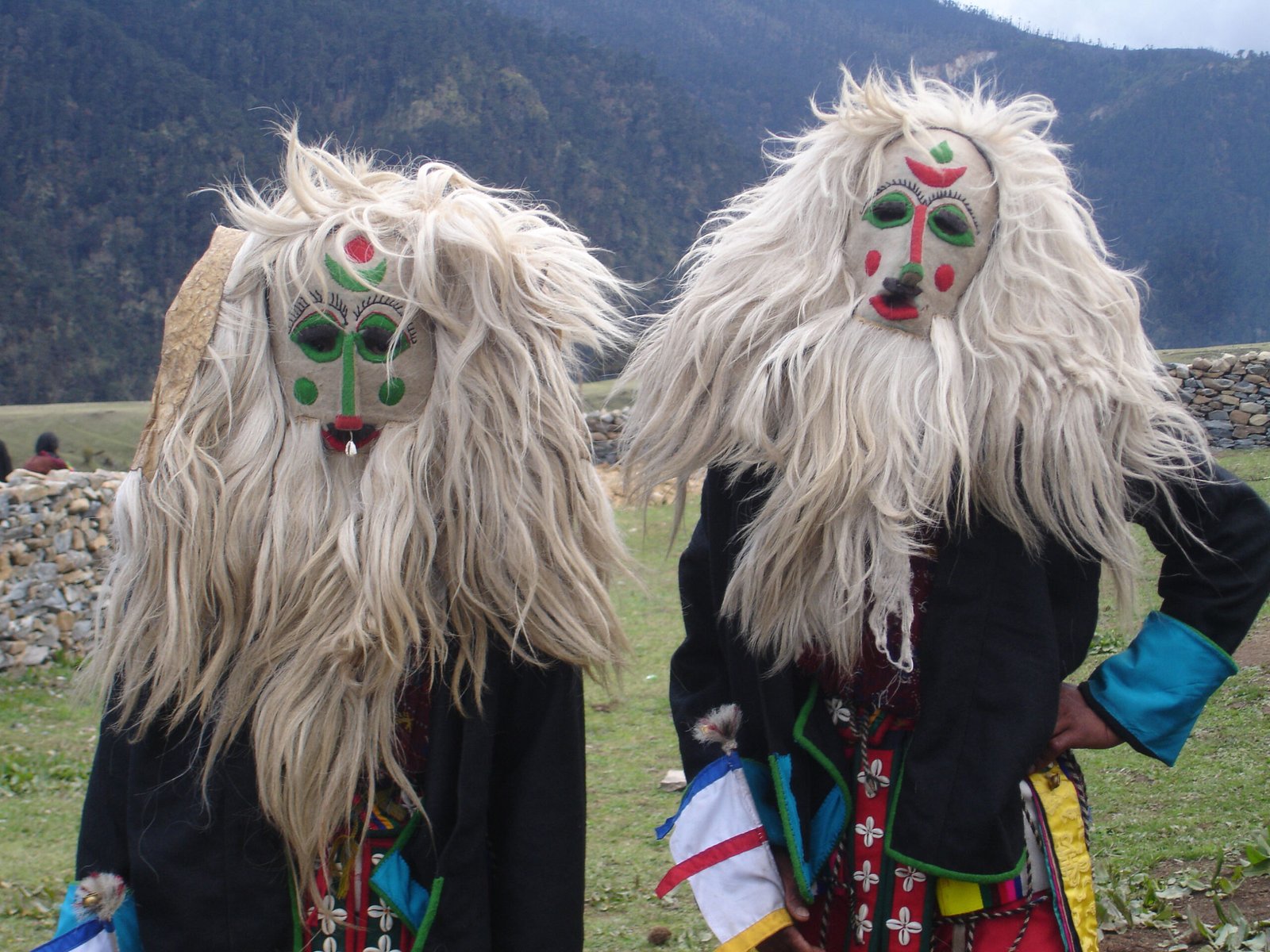
Dzongkhag Archery Ground or Gongzim Ugyen Dorji Central School ground Haa, BhutanThe Haa Summer Festival features the Annual Alpine Festival, a vibrant celebration of Yak herders and their nomadic way of life. Visitors have the opportunity to learn and observe Yak shearing and wool making, as well as witness local craftsmen demonstrate the art of weaving Yak hair into traditional tents. This tourism festival provides unparalleled insight into the customs and traditions of the Bhutanese people. The Haa Summer Festival exudes a sense of contentment, allowing tourists to partake in the joyous celebration of traditional culture, engage in traditional sports, savor unique Bhutanese cuisine, and enjoy lively folk songs and religious mask dances performed by the people of Haa Valley.
-
-

Dorlung Mani Tshechu
Dorlung Goenpa Wangduephodrang, Bhutan -
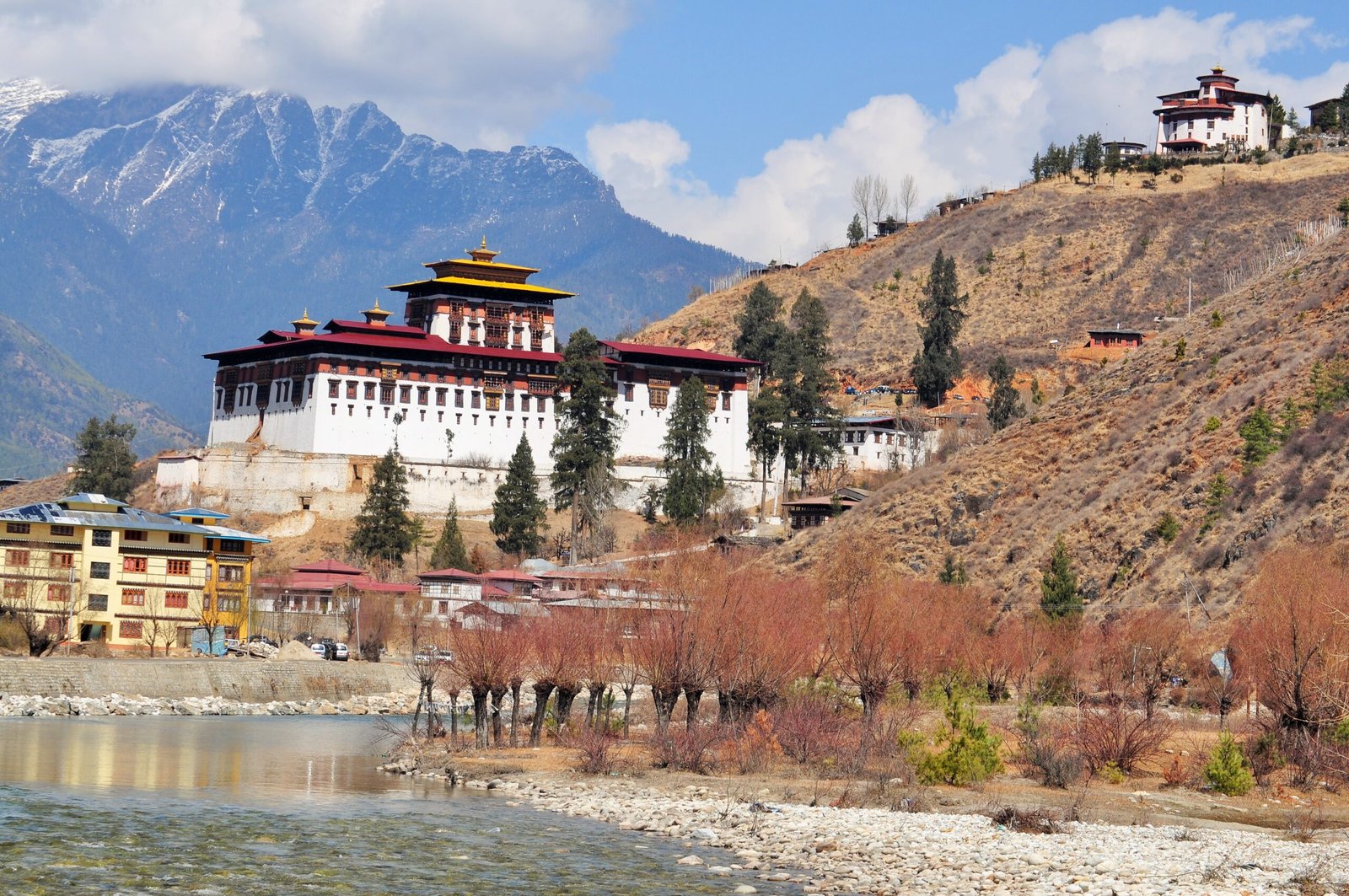
Lhamoi Doey Phang
Rinpung Dzong Paro, Bhutan -

Azhey Lhamo
Ura / Shingkhar Bumthang, BhutanIn the heart of Bhutan's Bumthang District, a remarkable tradition unfolds exclusively among the women of Ura village. Embarking on a three-day spiritual journey, these women ascend the mountain overlooking Ura, their dance steps echoing through the dawn. Their purpose: to invite the local deities to a grand celebration, seeking blessings for bountiful harvests and favorable weather. This unique ritual, deeply rooted in Ura's cultural tapestry, stands as a testament to the enduring power of female empowerment and spiritual devotion.
-
Mushroom festival
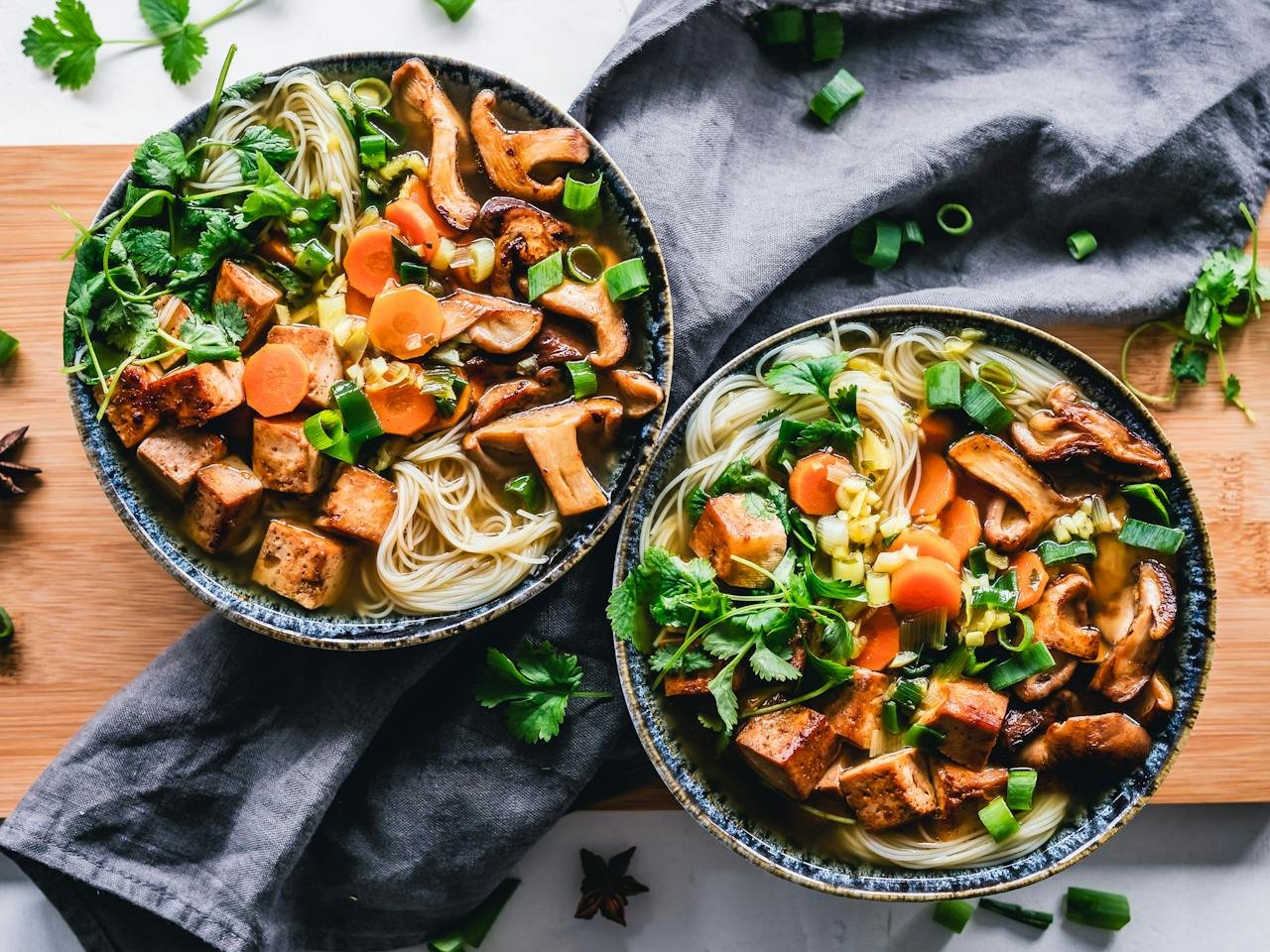
Genekha Thimphu, BhutanGenekha, a secluded village in Thimphu hosts an annual two day mushroom festival in August. During the festival the villagers promote the popular Tricholoma Matsutake. This coveted mushroom is known for its aromatic and succulent flavor. Locally known as “Sangay Shamu”, the wild produce can only be harvested seasonally from the forest and cannot be cultivated thus making it a prized produce. For the community members, harvesting the wild mushroom is a major source of their income. Over the years, these mushrooms have been imported to Japan and other countries increasing the demand for the wild fungus. The festival includes cultural performances to entertain the visitors while other stalls promote sustainable agriculture and ecotourism. Info graphic on different types of mushrooms can also be found to educate the visitors. The highlight of the festival includes engaging in mushroom picking activity and trying out the matsutake mushroom soup. (Photo by Ella…
-
-
Dromche
Rinpung Dzong Paro, Bhutan